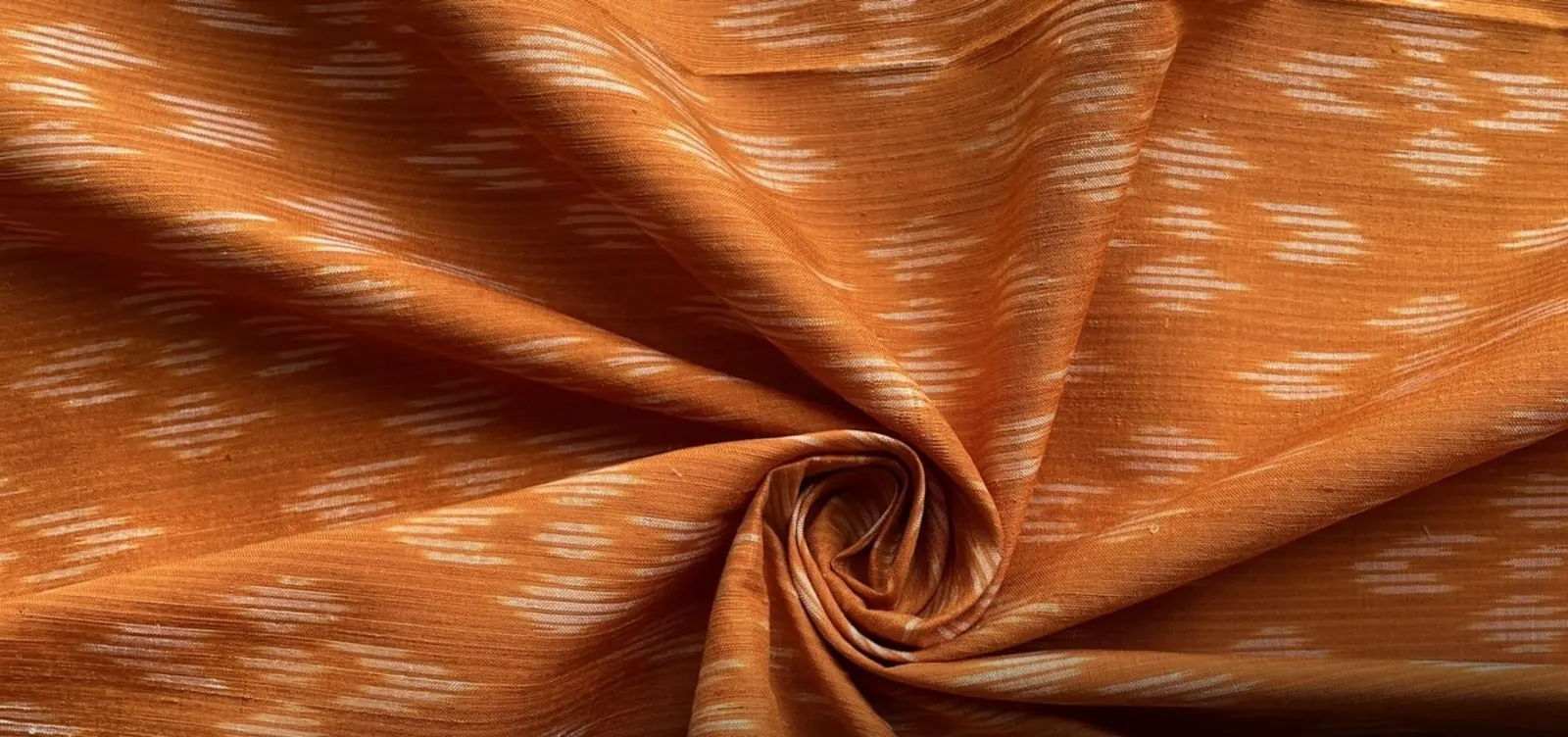
Authentic Thai silk is hand-reeled from the cocoons of the Bombyx mori silkworm and hand-woven on traditional looms, which is what gives it a texture and two-tone sheen that no machine-made imitation can fully copy. If you’re buying Thai silk for the first time, the two things worth knowing before anything else are how it’s actually made and how to tell it apart from the synthetic “Thai silk” sold in tourist markets.
What Makes Thai Silk Different From Chinese or Indian Silk
Most of the world’s silk, including from China and India, is reeled and woven by machine for speed and uniformity. Thai silk, by contrast, is still largely hand-reeled and hand-woven, especially in the villages of Thailand’s Khorat Plateau in the northeast (Isan region). Hand-reeling pulls together several fine filaments from multiple cocoons into one thread, a slow process that can take around 40 hours to produce half a kilogram of usable silk thread.
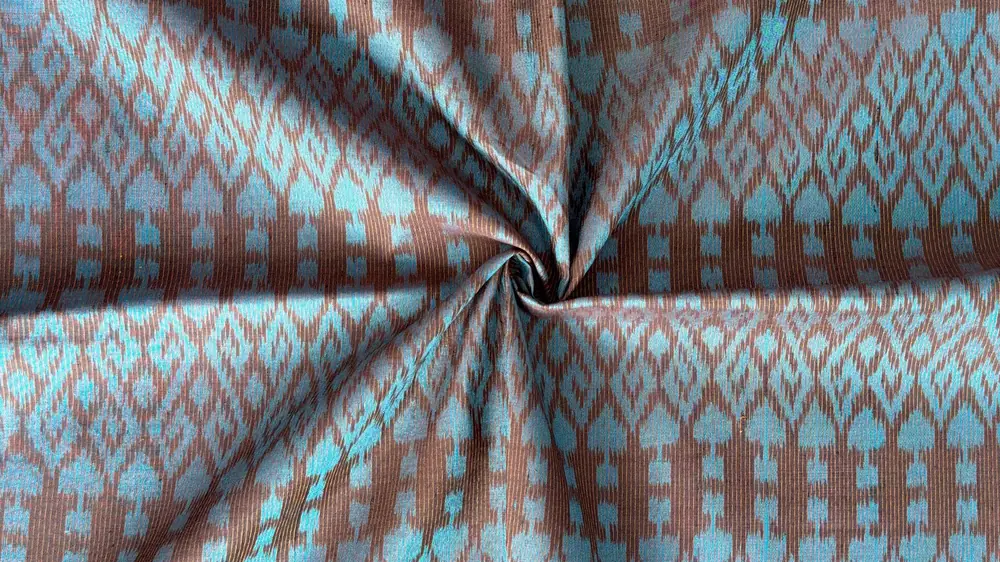
That process is also why Thai silk has its signature two-tone shimmer: the warp and weft threads are often dyed in different colors, so the fabric’s color shifts depending on the angle it’s viewed from — a visual signature that uniform machine-dyed silk doesn’t have.
How Thai Silk Is Made
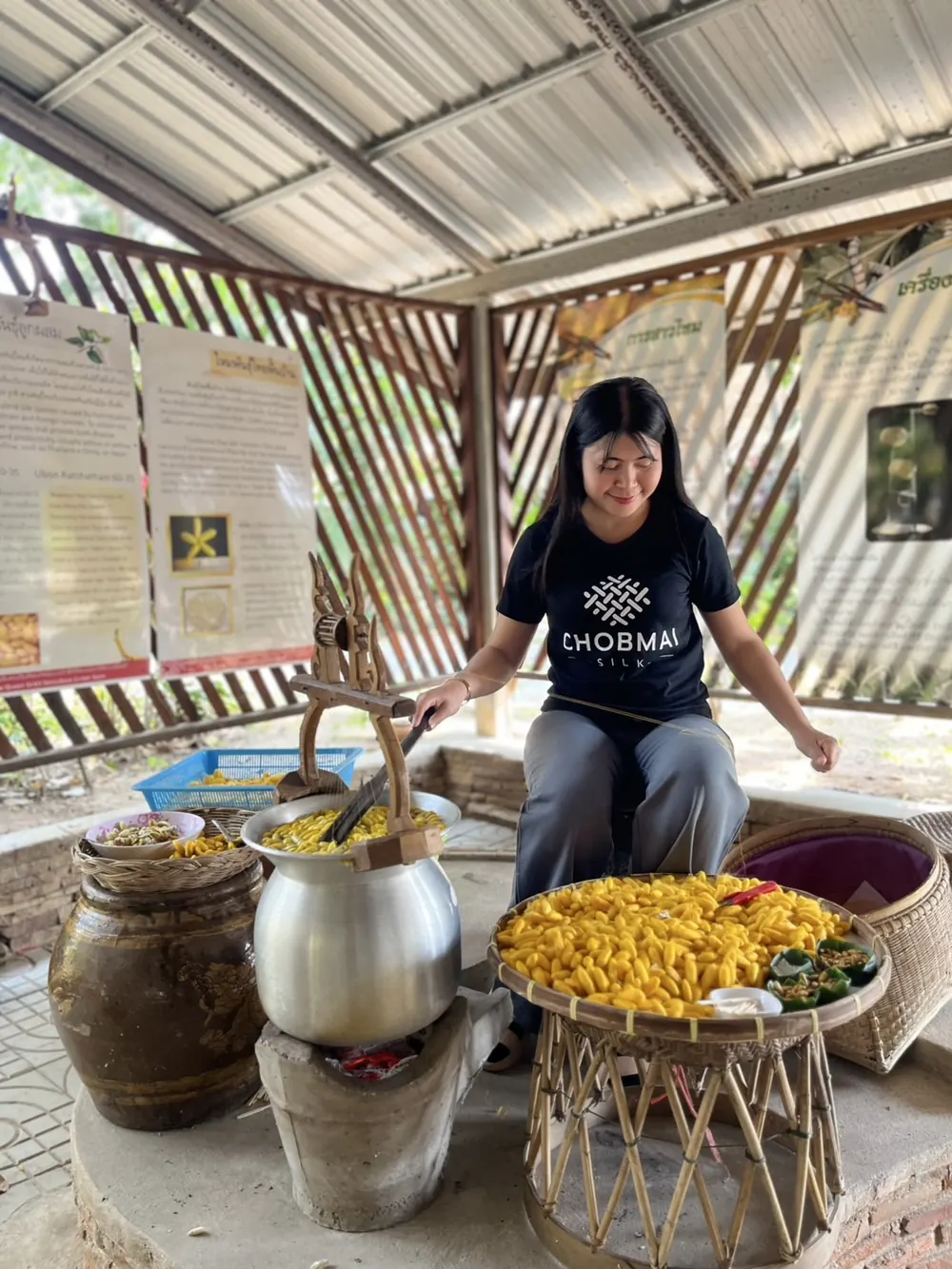
- Cocoons are harvested from silkworms raised on mulberry leaves.
- Cocoons are boiled, separating the silk filament from the pupa inside.
- Threads are hand-reeled from multiple cocoons into a single strand, in two fine grades for lightweight cloth and one thicker grade for heavier material.
- The raw silk is degummed (bleached, traditionally with hydrogen peroxide) to remove its natural yellow tint, then dyed.
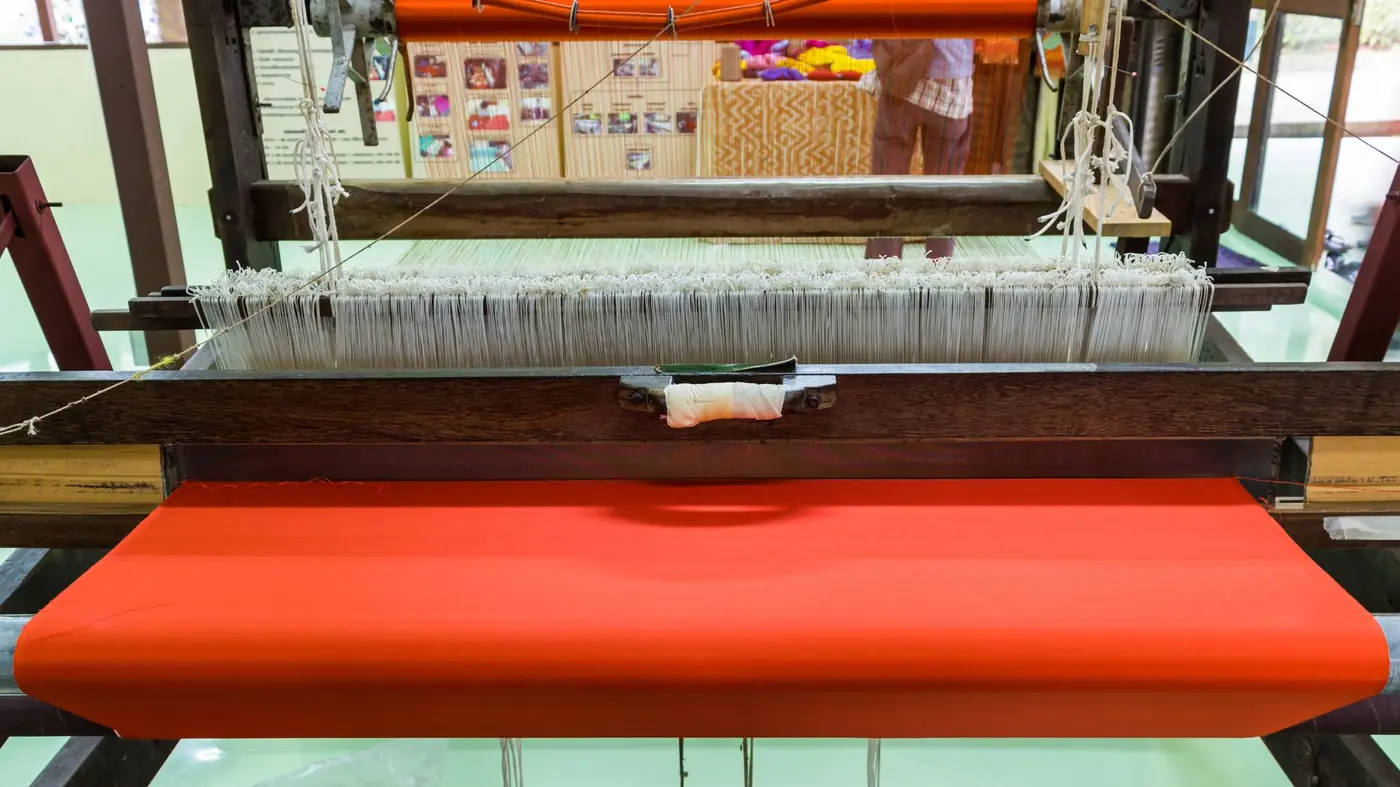
- The fabric is woven on a traditional hand-operated loom, one line at a time.
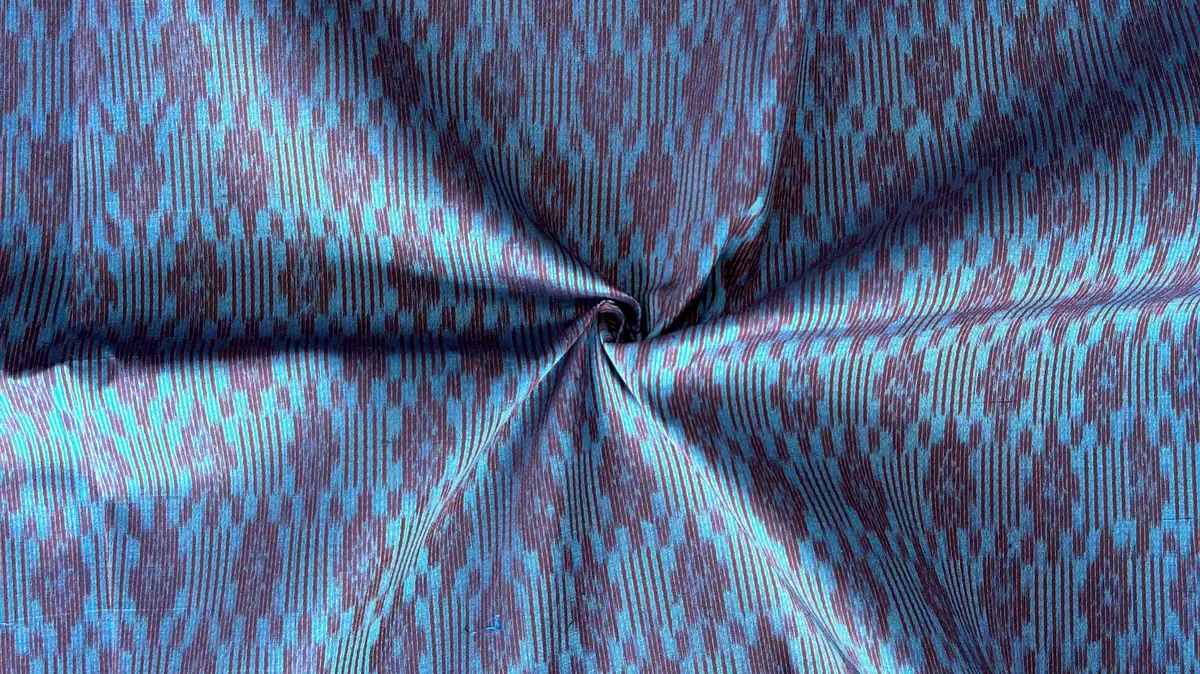
The most recognizable Thai weaving technique is mudmee (also spelled mat mi), a resist-dye method similar to ikat: bundles of weft threads are tied and dyed in sections before weaving, so the pattern only fully appears once the cloth is on the loom. It’s the technique behind most of the geometric and diamond motifs associated with Thai silk.
How to Tell Real Thai Silk From Fake
Thailand’s Ministry of Agriculture grades genuine Thai silk with a peacock emblem system: gold for premium Royal Thai Silk (native silkworm breeds, fully hand-made), silver for Classic Thai Silk, blue for pure silk that may use chemical dyes, and green for silk blends. Buying from a seller who can show this kind of grading, or who can tell you which village or weaving group a piece came from, is a far more reliable test than anything you can do with a lighter.
That said, here’s what to look and feel for:
- Weight and texture. Real Thai silk is not silky-smooth the way synthetic imitations are. It has a slightly rough, substantial hand-feel and real weight to it — a fabric that feels suspiciously light, slippery, and cool is more likely to be polyester or a silk-polyester blend.
- Sheen that shifts with angle. Because of the two-tone dyeing described above, genuine hand-woven Thai silk changes color subtly as you move it or walk past it in different light. A flat, uniform shine in every light is a red flag.
- The burn test, with caveats. Genuine silk burns slowly, smells like burning hair, and self-extinguishes when the flame is removed, leaving a crumbly ash. Synthetic silk melts, smells like burning plastic, and keeps burning. This test is a useful gut-check if you already own a swatch, but it isn’t reliable on a thread or two pulled from a scarf you’re about to buy — which is exactly why it matters more to buy from a seller you trust than to rely on a single test in the shop.
- Price. Hand-woven Thai silk is labor-intensive to produce, so it typically costs several times more than machine-made imitation silk. A bargain price on “Thai silk” in a tourist area is usually not Thai silk at all.
A Brief History: From the Royal Court to Jim Thompson
Silk has been part of Thai textile tradition for millennia — silk fibers found at the Ban Chiang archaeological site date back more than 3,000 years — but for much of its history, silk weaving in Thailand was mostly small-scale village production for local or private use, while the Thai royal court favored imported Chinese silk.
The industry’s modern identity owes a great deal to Jim Thompson, an American who, after World War II, began marketing Thai silk internationally, built relationships with weaving villages, and helped establish it as a recognizable export product. Costumes made from Thai silk in the 1951 Broadway production of The King and I brought it further international attention, and American tourist demand through the 1950s helped sustain the local silk trade during a period when interest among Thais themselves was limited.
Where Thai Silk Comes From
Most traditional hand-weaving happens in Thailand’s northeastern provinces on the Khorat Plateau, including weaving communities often associated with Pak Thong Chai, Chonnabot, and Surin. Some varieties are regionally protected by name, including Lamphun Brocade, Chonnabot Mudmee, and Phrae Wa Kalasin — sometimes called the “Queen of Thai Silk” for its elaborate brocade technique.
Choosing and Caring for Thai Silk
When choosing a piece, decide what you’re buying it for first: a scarf or garment calls for a lighter, finer weave, while upholstery or interior pieces are usually cut from a heavier grade. Thai silk should be dry-cleaned or hand-washed in cold water with a gentle, pH-neutral detergent, dried flat out of direct sunlight, and ironed on a low, silk-safe setting while still slightly damp.
Sources
- Thai silk — Wikipedia
- Fake Tests for Fake Thai Silk — My Thailand Blog
- An Introduction to Thai Silk — Permanent Style
More Thai Silk Guides
- The Story Behind Handwoven Thai Silk
- How to Tell Real Thai Silk From Fake: A Buyer’s Checklist
- Thai Silk Scarves: Styles, Colors, and How to Wear Them
- Thai Silk Fabric by the Yard: A Buying Guide for Sewing Your Own
- Thai Silk Home Decor: Cushions, Table Runners & Throws
- The Best Thai Silk Gifts for Her
- Unique Souvenirs From Thailand That Last a Lifetime
- Thai Silk Wedding Gift Ideas
- How to Order Authentic Thai Silk and Ship Worldwide (FAQ)